
 by
by By Cory Thorson
“Can’t you just pay attention?”
“What do you mean the lights bother you?”
“I don’t smell anything, it must be in your head.”
“You are weird.”
“Just focus and read the book.”
“Calm Down!”
How familiar are these phrases?
Attention Deficit Disorder (ADD) and neurodivergence are terms that encompass a spectrum of cognitive differences that affect how individuals process information and interact with the world around them. These differences can manifest in challenges with attention, impulse control, hyperactivity, and emotional regulation. As a Marriage and Family Therapist, I understand these differences and how therapy can offer support and strategies for individuals navigating neurodivergence.
ADD, now more commonly referred to as Attention Deficit Hyperactivity Disorder (ADHD), is a neurodevelopmental disorder that affects both children and adults. It’s characterized by difficulties with attention, hyperactivity, and impulsivity. Neurodivergent individuals often experience challenges in traditional settings due to differences in brain function, which can lead to feelings of frustration, low self-esteem, and struggles with relationships.

Therapy models such as mindfulness, Internal Family Systems (IFS), Emotionally Focused Therapy (EFT), and Eye Movement Desensitization and Reprocessing (EMDR) can be particularly beneficial for individuals with ADD or neurodivergence. Mindfulness practices can help increase awareness of thoughts and feelings, allowing individuals to better regulate their emotions and focus their attention. IFS can be useful in helping individuals understand and navigate the different parts of themselves, reducing internal conflict and improving self-esteem. EFT focuses on creating secure emotional bonds with others, which can be especially helpful for individuals in relationships with ADD who may struggle with relationships due to challenges with communication and emotional regulation. EMDR, originally developed to treat trauma, can also be effective in addressing underlying issues that may contribute to ADD symptoms, such as low self-esteem or past experiences of failure.
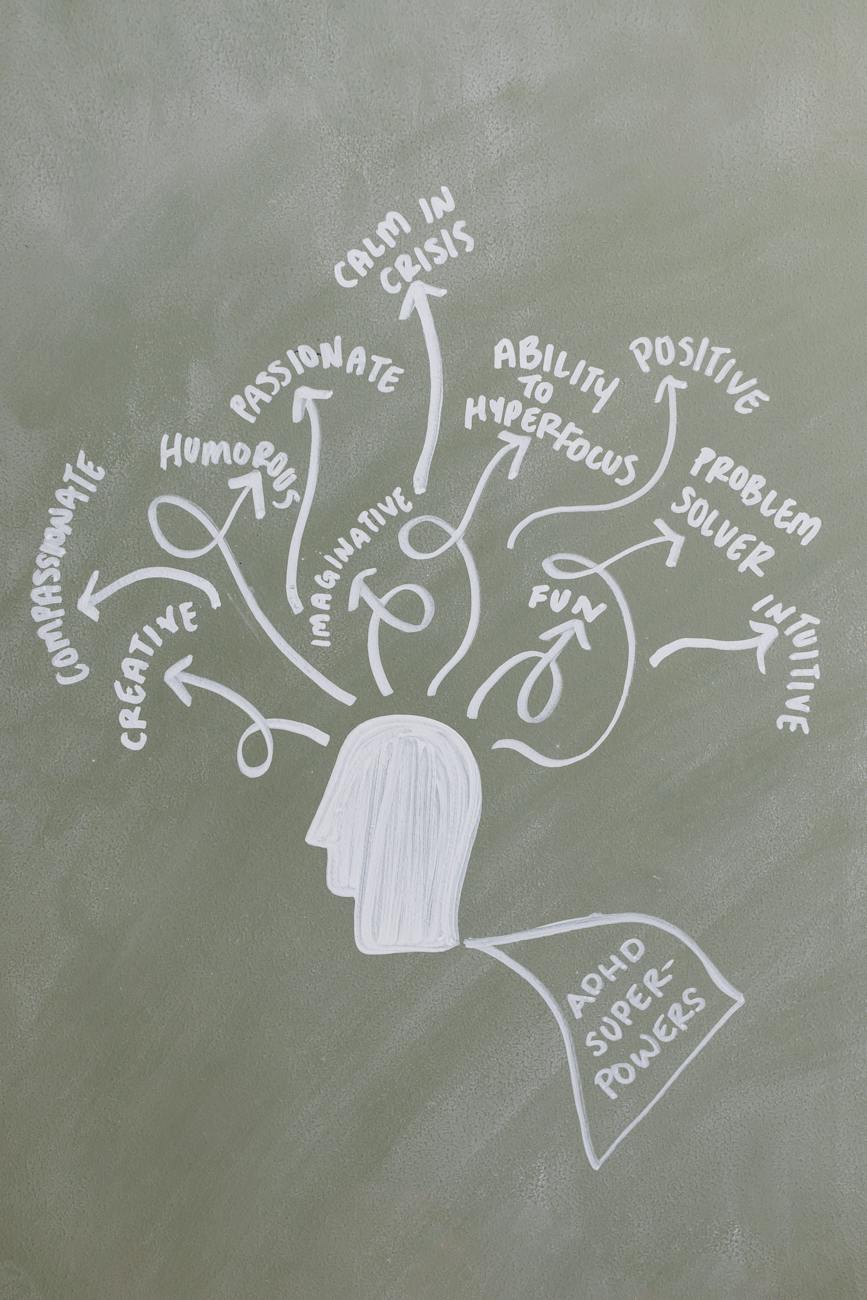
In therapy, it is my goal to create a safe and understanding environment where individuals feel accepted and supported. I bring hope and healing by incorporating these therapy models. Individuals with ADD or neurodivergence learn to develop coping strategies, improve self-esteem, and enhance their relationships. In the therapy process, they can also learn to see for themselves or help loved ones see their unique strengths that come because of neurodivergence. Through education, empathy, and evidence-based interventions, therapy can make a significant difference in the lives of those with neurodivergence, empowering them to thrive in a world that may not always understand their unique strengths and challenges.
To those struggling with neurodivergence,
I hear you,
You are not alone,
You belong,
There is Hope.
To schedule a therapy appointment with Cory, call Hope Therapy at 801-515-2282 or email cory@hopemft.com
 Hope Therapy